
 2 months ago
27
2 months ago
27
In recent weeks, Massimiliano Allegri has hinted at being more open to a change of system, and a front three has become possible.
As La Gazzetta dello Sport recall, Allegri has played every possible way throughout his career, winning a Scudetto with Milan using two strikers. At Juventus he alternated: four attacking players, two strikers, even three forwards.
Not at this Milan. In the summer, a 4-3-3 was considered, but the 3-5-2 was chosen. Yet, in January, something happened: Allegri used a front three for an hour across the games against Genoa and Fiorentina. Against Como and Lecce, no, but the message is clear.
In-game changes
The goal in both of the games against Genoa and Fiorentina was the same: to come from behind. Against the former, Allegri brought off Saelemaekers to bring on Füllkrug, and in the 92nd minute he got what he was looking for with Leao’s goal.
In Florence, with Fiorentina up 1-0, Max brought on Nkunku for Pavlovic. There were 16 minutes left. Until the final whistle, eight minutes into the 90th minute, Christo remained on the pitch with Pulisic and Leao, eventually celebrating with a right-footed shot that hit the post before coming on.
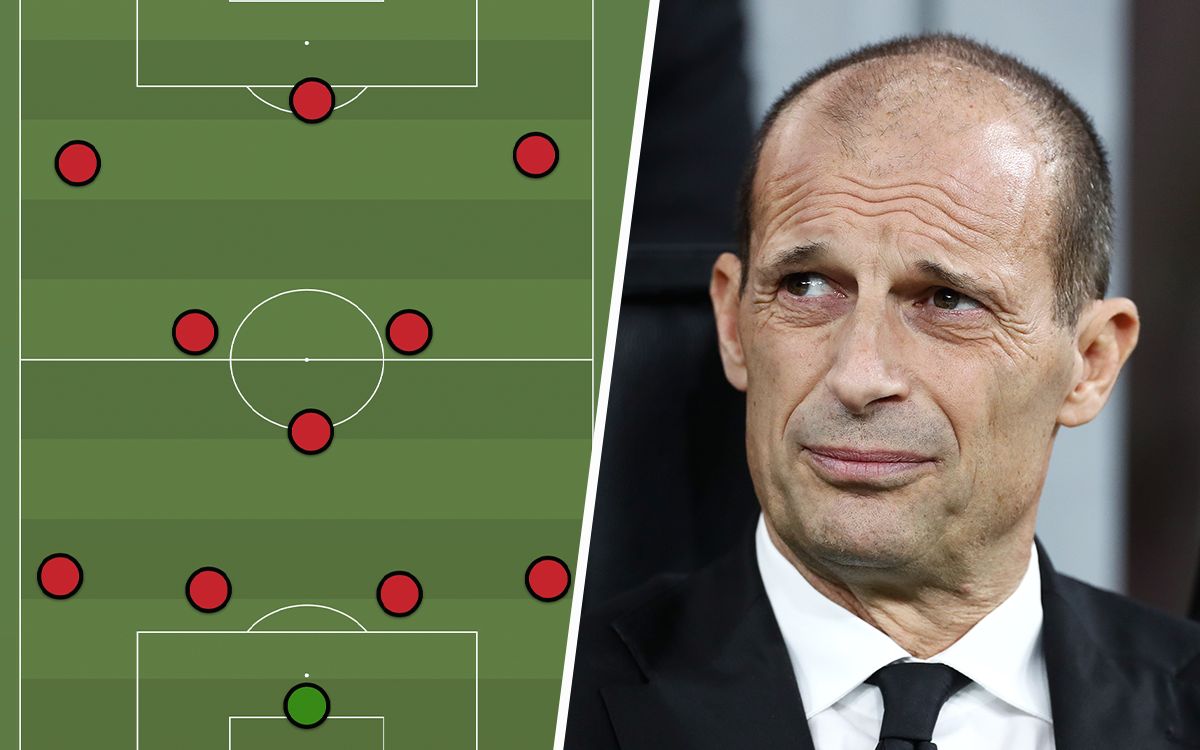
The difference was noticeable: vs. Genoa it was a classic three-man attack, with a striker and two wingers. The next time it was a more mobile trio without a natural No.9. On paper, both can work. In practice, a bit of improvisation is necessary.
There is one constant, however. Allegri, for much of those 59 minutes with the attacking trio, asked Leao to stay wide on the left and used Pulisic on the right, as Stefano Pioli did. The duo played centrally in some situations against Genoa, but were often out wide, to play one-on-one and create superiority.
Overall, things went better against Genoa: in those 35 minutes, Milan were dangerous with two crosses from Bartesaghi, a Rabiot-Pulisic double shot, a Leao header, a Pulisic volley and finally yhe goal. In Florence, things went differently: fewer chances, more predictable play.
The Füllkrug factor
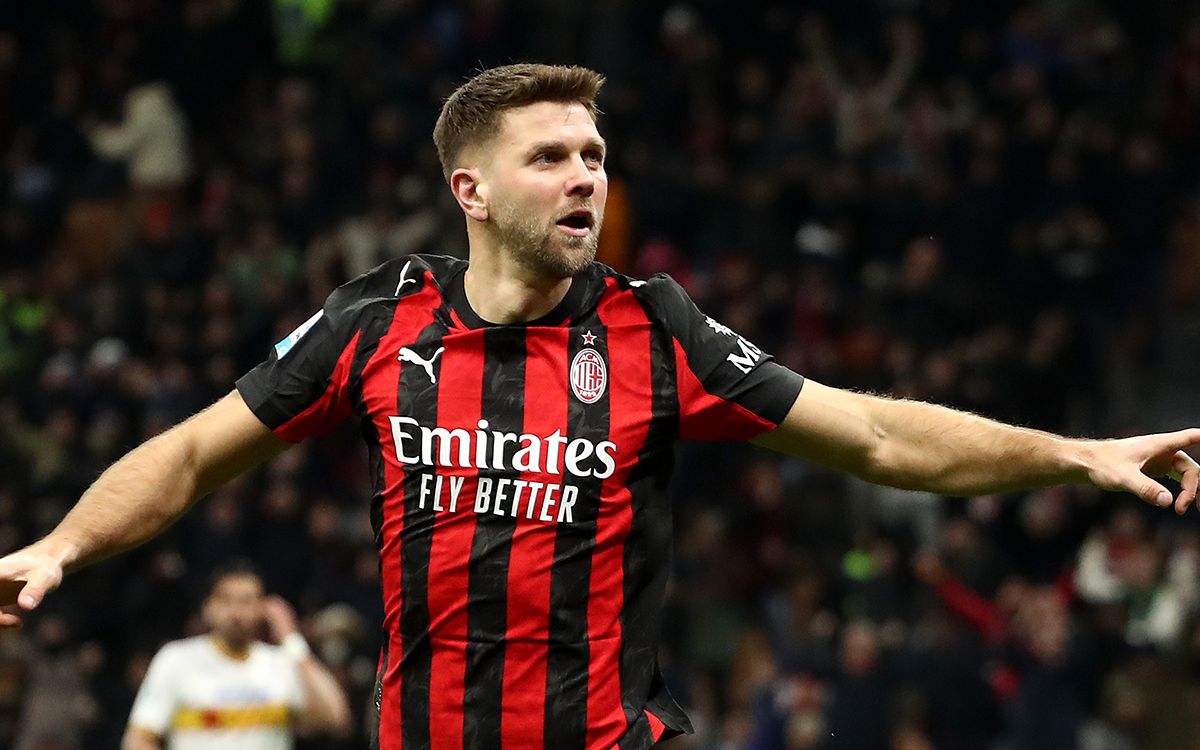
Füllkrug and Nkunku obviously need to be approached differently. With the German, it makes sense to cross, to exploit his moves with his back to goal. With the Frenchman, you need to find combinations in the attacking midfield areas.
With Niclas, Bartesaghi becomes very important, as he has the technique to find him from the wing. With Christopher, Leao becomes more important, as he’s not a crosser and certainly plays better on the ground.
In all of this, an obvious side note: much will depend on the physical condition of the four because none of them are 100%, and Allegri has made it clear: if he only has three at his disposal, the idea of a front three is out of the question.
A final word on the team’s balance, because using a front three changes a lot. Milan have used it in unusual situations – the final minutes, when behind – but there are some consistent patterns. Youssouf Fofana’s position, for example.
Fofana always ends up being the most attacking midfielder for Milan, even when Rabiot is on the pitch. In many situations against Fiorentina, he was in the attacking midfielder spot, and it’s no coincidence that the goal came from him, with his play as a number 10.
Alexis Saelemaekers, on the other hand, risks being sacrificed. In Como, he played a few minutes on the right wing, while Allegri left him on in Florence. Against Genoa, Max brought him off, and the Belgian didn’t seem the happiest.
So, when will we see the trident? During the match, yes, but not at the start. Allegri also said it on Sunday evening when asked about the three forwards: “We can play with many pairs.” There you have it, pairs.

 English (US) ·