How Ricci and the 3-6-1 flipped the script: Tactical analysis of Torino 2-3 AC Milan
3 months ago
101
AC Milan picked up their ninth Serie A win of the campaign on Monday night by beating Torino, and it might just have been the toughest yet.
Milan had won in one of their last 12 league games at the Stadio Olimpico Grande Torino heading into the contest, and were staring down the barrel of a fourth straight defeat at the ground as the home side scored twice in the opening 17 minutes.
Milan fell behind to a Nikola Vlasic penalty following a Fikayo Tomori handball inside the box, then Duvan Zapata scored his eighth goal against the Rossoneri to double the advantage inside the opening half an hour.
Adrien Rabiot’s rocket from 29 metres halved the deficit, and then it was over to the talisman Christian Pulisic. The USA international – who shook off flu to even take part in the game – bagged a brace inside 10 minutes off the bench to complete the comeback.
The manner that the win came will certainly inspire confidence, as will returning to the summit in Serie A after Inter and Napoli won. Rohit Rajeev has a tactical analysis from the game.
Set-up and shape
Massimiliano Allegri – who had to watch from the stands due to suspension – made four changes to the starting line-up compared to the team that lost to Lazio. Matteo Gabbia, Luka Modric, Davide Bartesaghi and Christopher Nkunku all came back into the side.
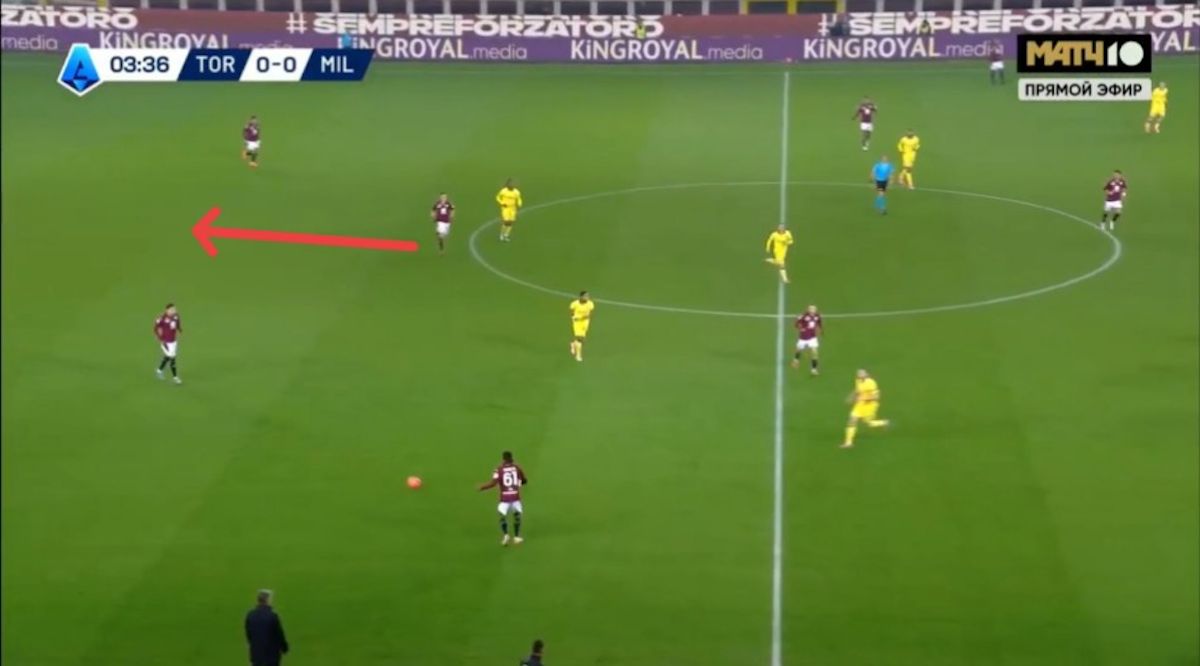
Torino started in a 3-5-2, but their build-up shape told a different story. Asllani dropped in as a third centre-back, Tameze pushed up as a wing-back, and Pedersen – originally the wing-back – advanced into a right wing role. In short, the 3-5-2 morphed into a 3-4-3.
This aggressive positioning became the catalyst for Torino’s opener, with Pedersen pushing high, delivering the cross, and ultimately provoking the penalty that led to the first goal.
Pressing and reacting
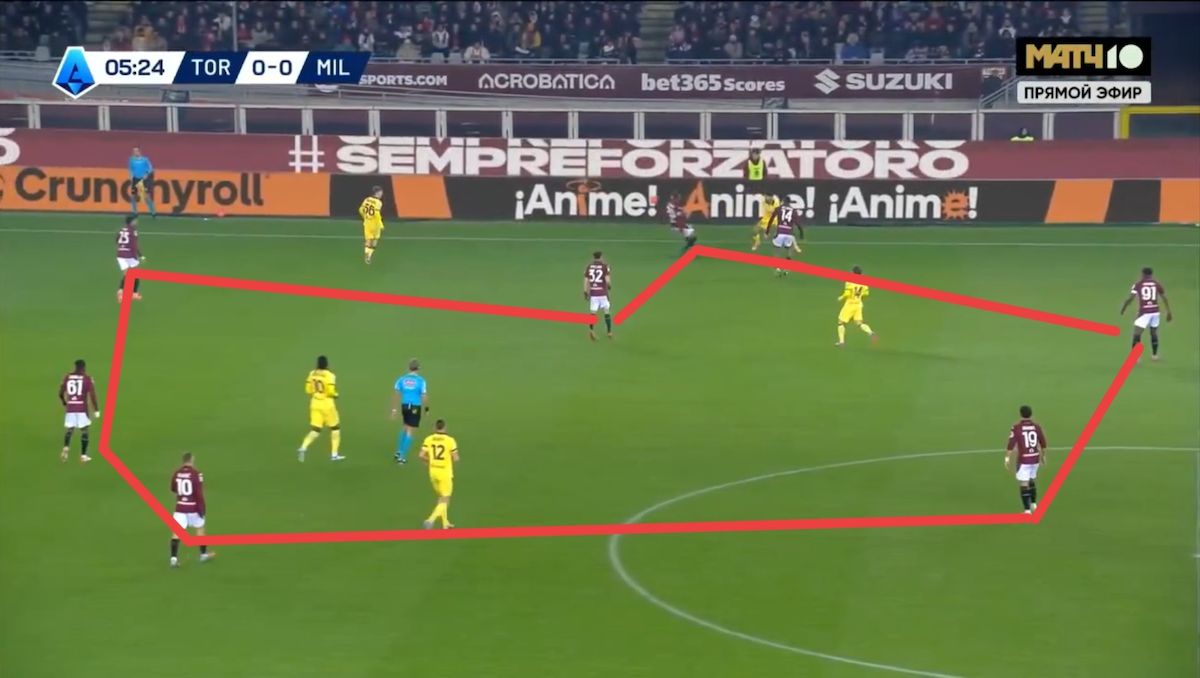
Torino’s press was all about control. They squeezed Milan horizontally, shifting the entire defensive block to one side while two players stayed ready to shut down any switch of play. It was organised and very effective from Marco Baroni’s men, not the signs of a team and a coach under pressure.
Milan flipped the script, though. They pressed Torino high with three players instead of two, as Loftus-Cheek and Rabiot jumped up depending on the build-up side.
The moment the ball went wide was when the press trigger was activated.
Creating space
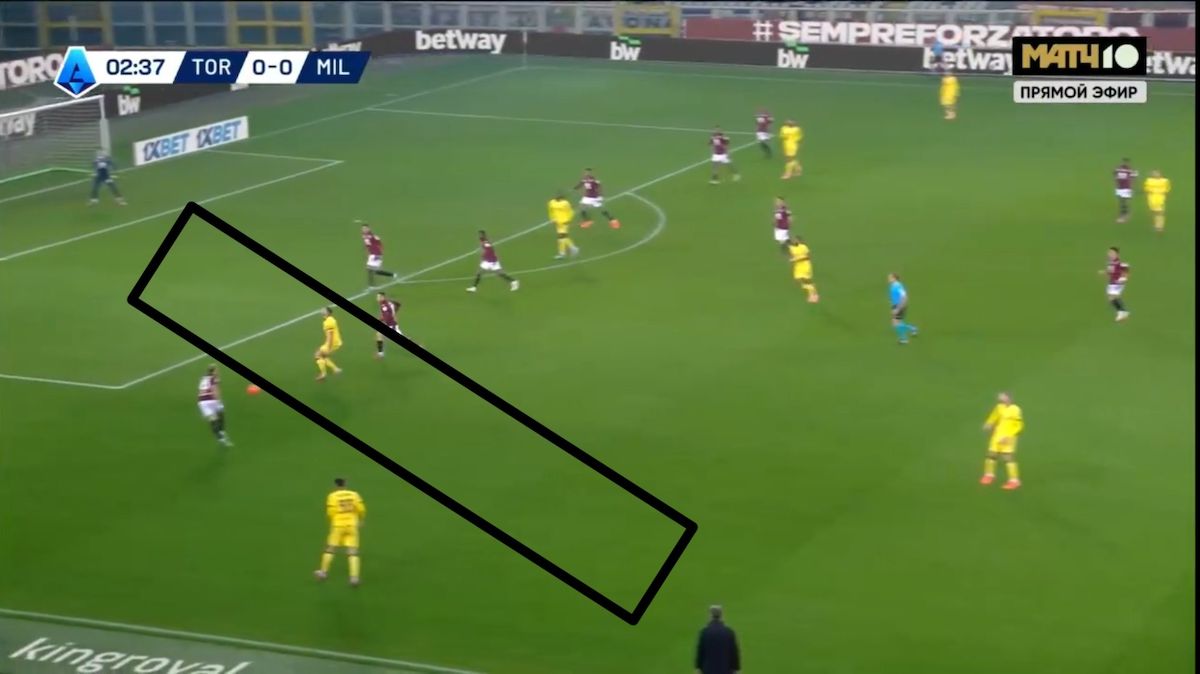
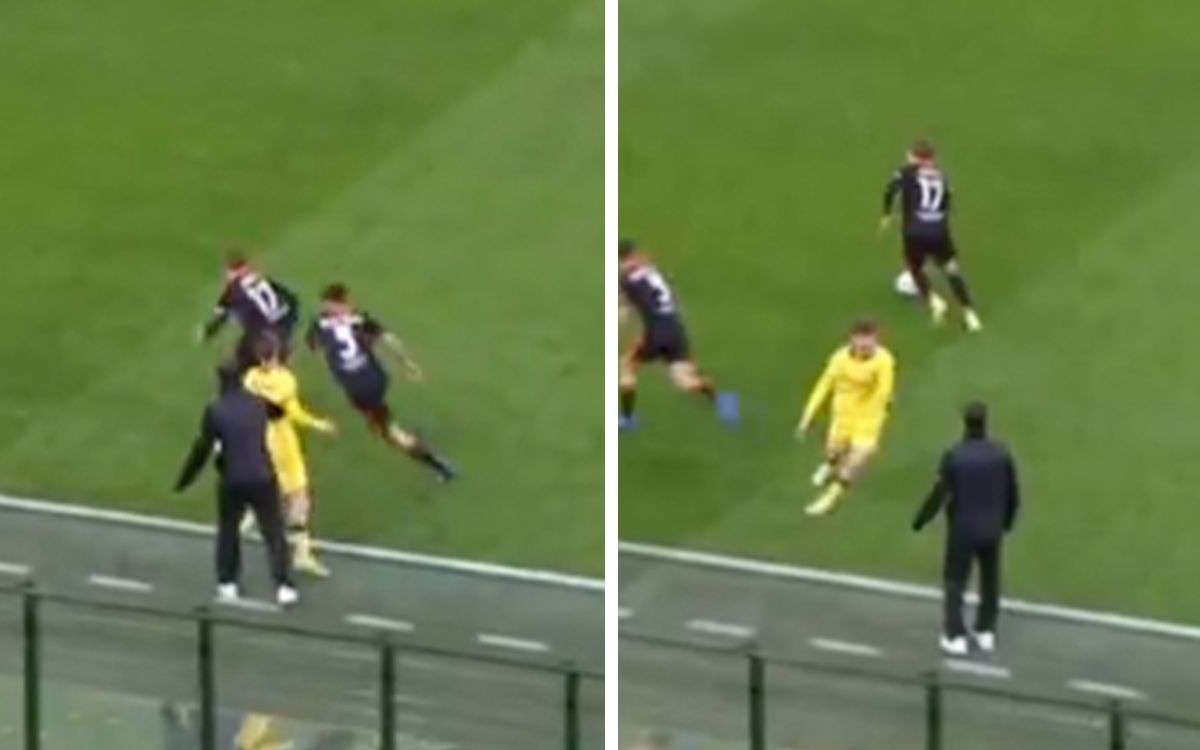
Milan targeted the gap between Pedersen and Tameze brilliantly. Bartesaghi dragged Pedersen wide, Nkunku pinned Tameze inside, and the space that opened in the middle? Rabiot attacked it over and over.
The moment Ricci stepped on, the entire game flipped. Leao came off injured, Ricci came in and Milan morphed into a 3-6-1 monster. Nkunku up top, while Ricci, Rabiot and Loftus-Cheek roamed freely between the lines.
Ricci kept sliding behind whichever mezzala attacked – right for RLC, left for Rabiot – and Torino’s horizontal press completely collapsed. One sub, one structural shift, and total control resulted.
Ricci’s engine was unreal. His work rate let him shuttle from flank to flank, always arriving as the extra man to create overloads. With him tilting the field, Torino kept getting outnumbered and outplayed in the wide areas.
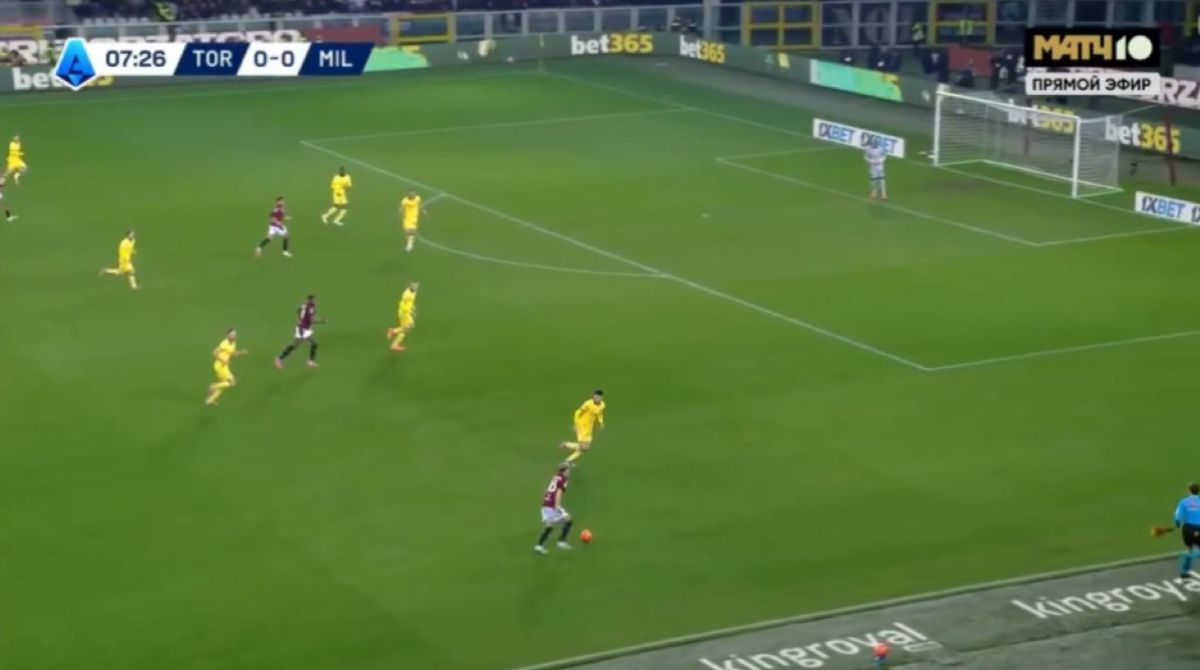
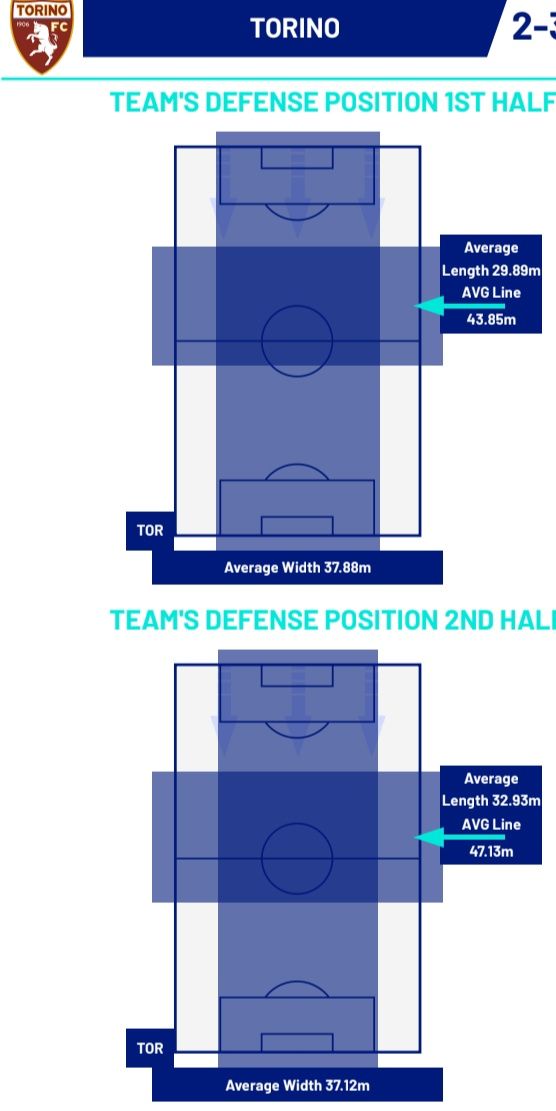
With the score at 2–1, Baroni made a bold call. Instead of sitting back and letting Milan have the ball – especially after that big Rabiot chance – he pushed the defensive line higher to press.
But that aggression came with a price: it opened huge gaps behind the Torino backline, and Milan were ready to pounce.
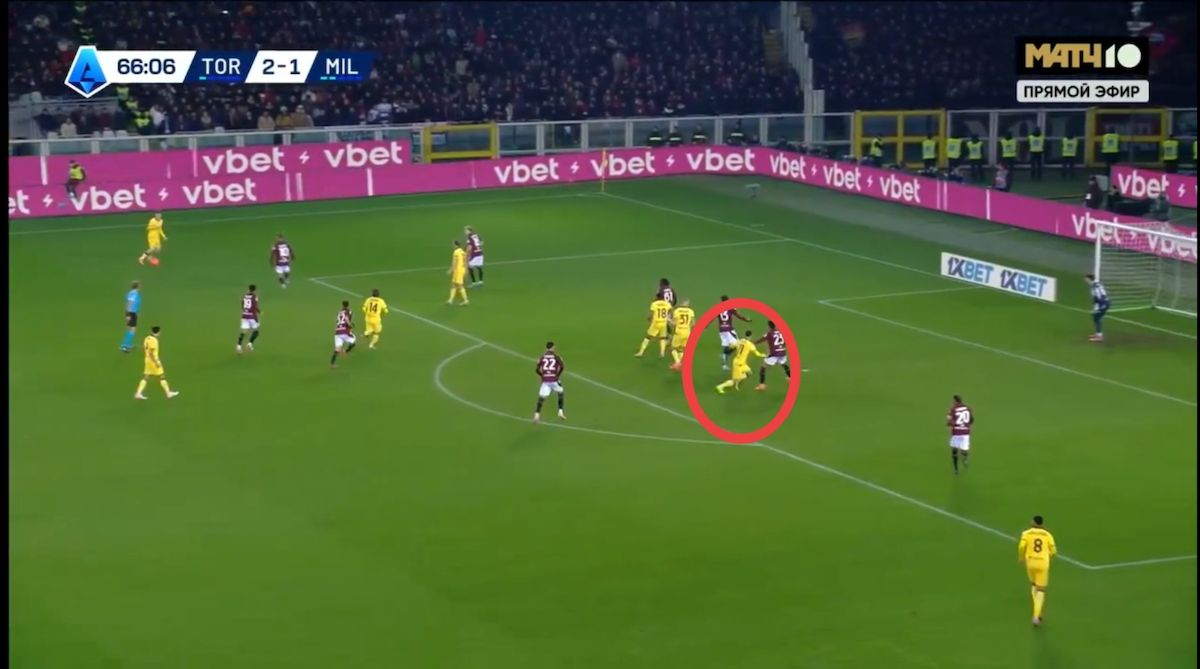
In the lead-up to Pulisic’s first goal, he cleverly tracked his marker only up to a point, then stopped right behind him, completely out of the defender’s awareness. The moment his marker looked away, Pulisic changed direction and burst into the free space, timing his run to perfection.
Nkunku’s helping hand
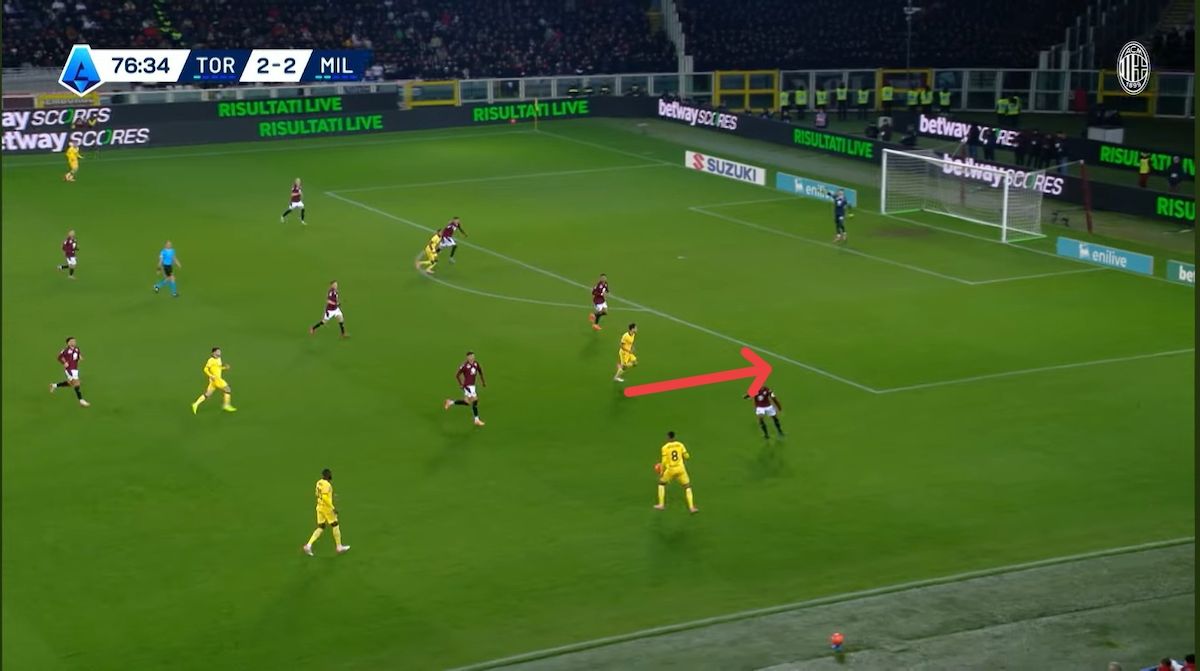
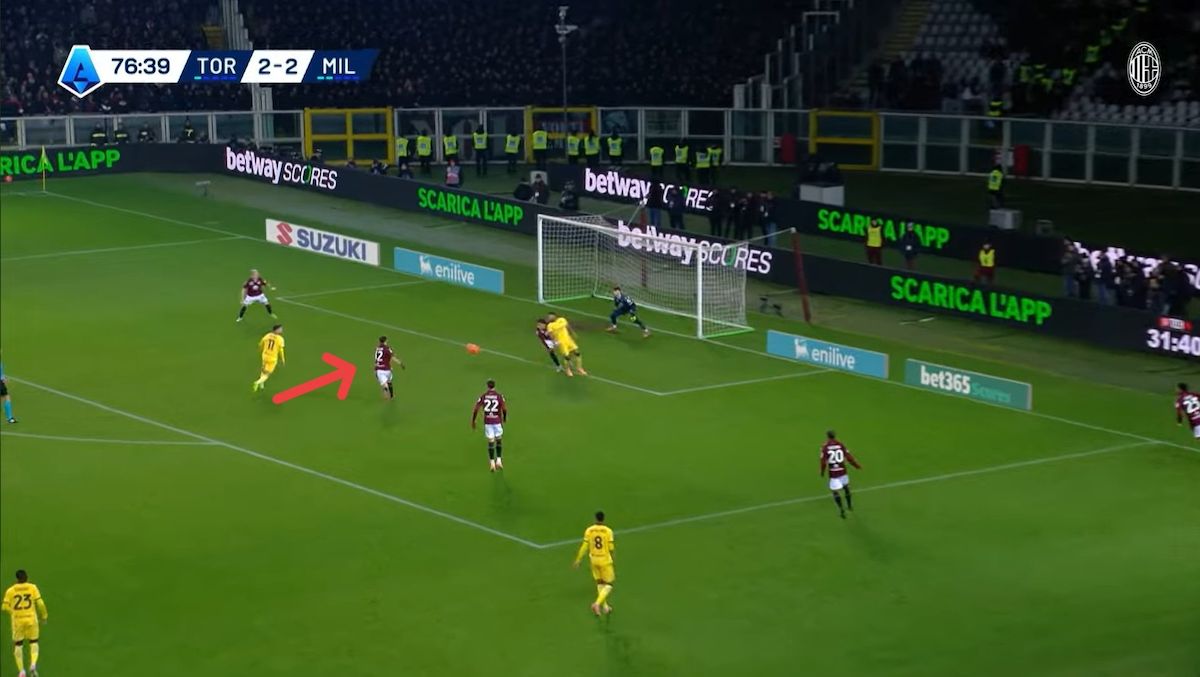
Although he has been criticised in recent weeks, Nkunku deserves praise for being very smart in the build-up to the winning goal.
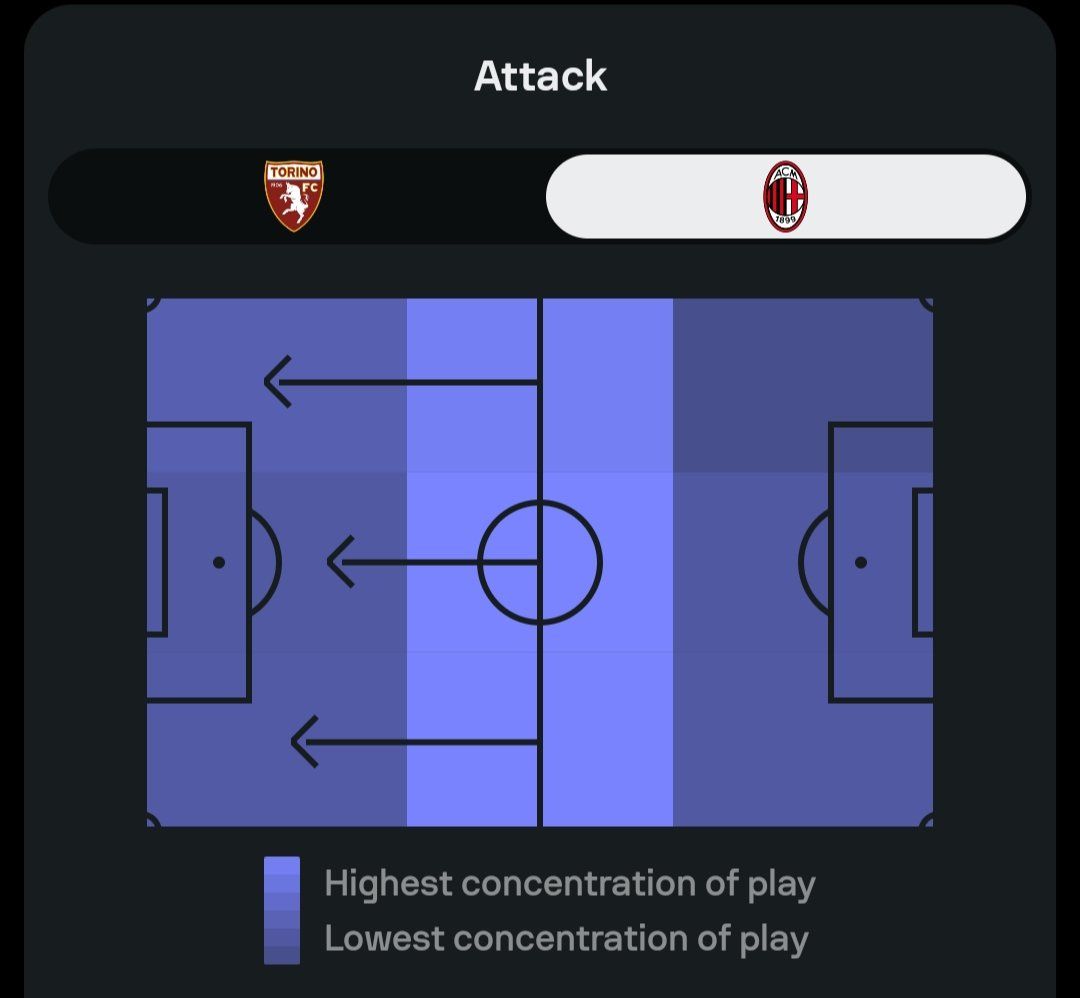
Milan attacked mainly down Torino’s left. Ricci, Loftus-Cheek and Saelemaekers created constant overloads. Sofascore visuals show the dominance on the right side.
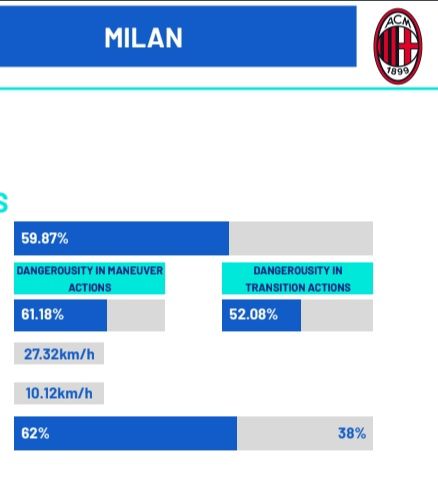
Torino leaned heavily on long balls and chose counter-attacks over long periods of possession. Milan’s build-up style vs. Torino’s direct approach made the contrast clear.
With Torino sitting deep, Milan had to rely on midfield runs and precise passing to create chances, using fewer counter-attacks.

 3 months ago
101
3 months ago
101







 English (US) ·