
 2 months ago
71
2 months ago
71
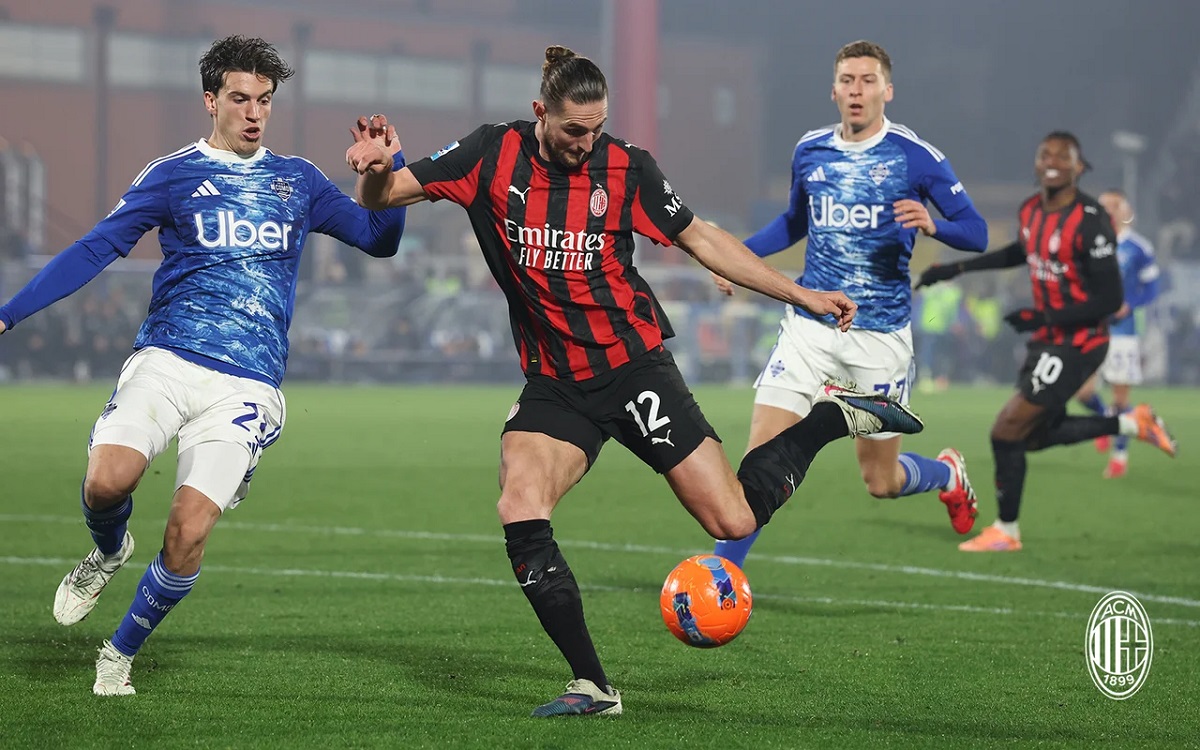
Cesare Prandelli has weighed in on the debate regarding the playing styles of certain managers, which was fueled after AC Milan’s 3-1 win against Como on Thursday.
Despite Como having most of the ball in the game, and perhaps even chances, Milan came away with all three points. Massimiliano Allegri’s side were struggling for a while, but managed to stay in the game and then the gaffer made some very good tactical changes.
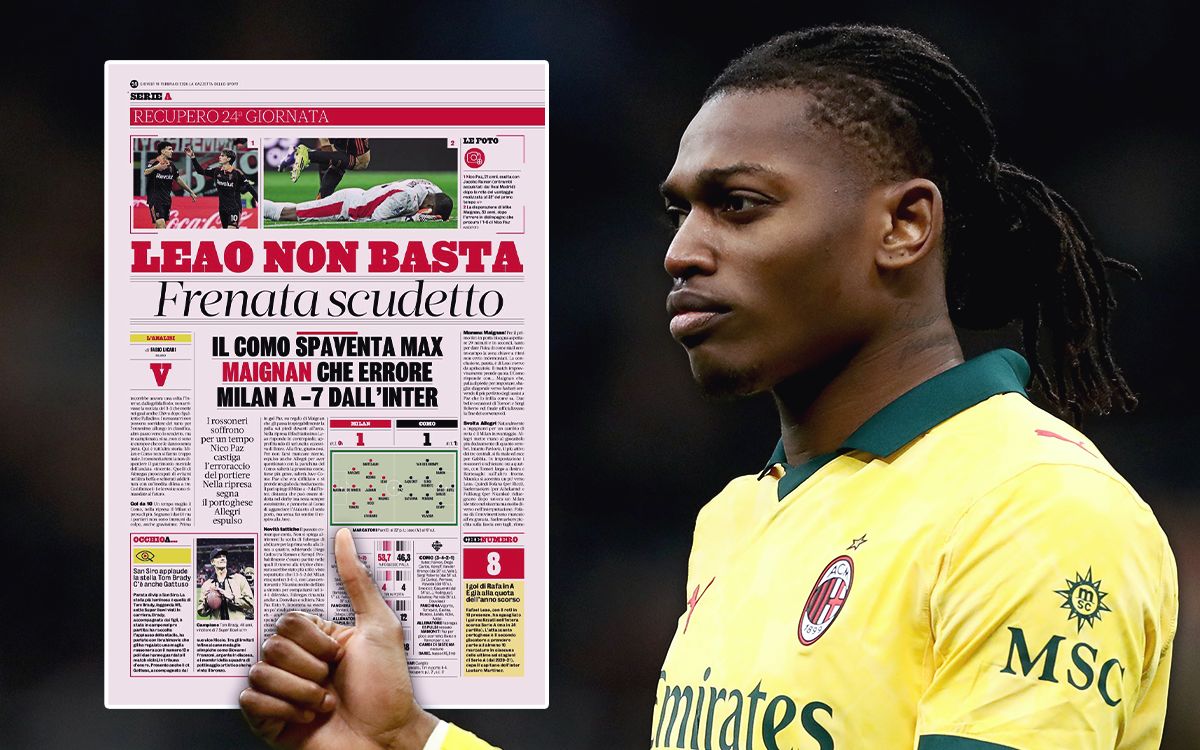
Seeing as many would say that Como dominated the game for large parts, most of the post-match focus has been on the different styles of the two managers. Gazzetta dello Sport did a long piece on it this morning, and the newspaper also interviewed Prandelli.
The 68-year-old, who now works as the technical director of the Italian national team, has a lot of experience from his time as the manager of above all Fiorentina (239 games), but also the national team. And has he put it, the criticism of Allegri is inexplicable.
How would you classify the various schools of thought?
“Let’s say that there are teams that follow the philosophy and playing principles of their coach, and then there are teams that are always organised and rely more on the actions of their players. However…”
But…
“In football, ideas are important, but managing the unexpected is even more so.”
What do you mean?
“A coach can have the best ideas in the world, but then every Sunday, he has to deal with the game. And during the ninety minutes, there can be unexpected events that force you to make changes to avoid crashing. The coach must adapt to the unpredictability of the match.
“It can very well happen that a team dominates in almost every stat, starting with ball possession, but then the opponent wins with two brilliant plays from a champion. Como-Milan was like that, and it shows that it’s the values that make the difference. Technical plays count, not game systems.”
If you were Fabregas, how would you behave after a defeat like that?
“Cesc is one of the most exciting young coaches, and I’m convinced he’ll become a top manager. He has innovative ideas and a club that shares and supports them. I like Como’s project as a whole: it’s visionary and futuristic. But let’s be clear: Fabregas is not a fundamentalist.”
Please explain…
“Cesc has clear principles, but he’s anything but rigid, and that’s the most important quality for a coach. Fabregas likes to build from the back, but if a team presses them high up, he’s the first to say: ‘Let’s play vertically straight away.'”
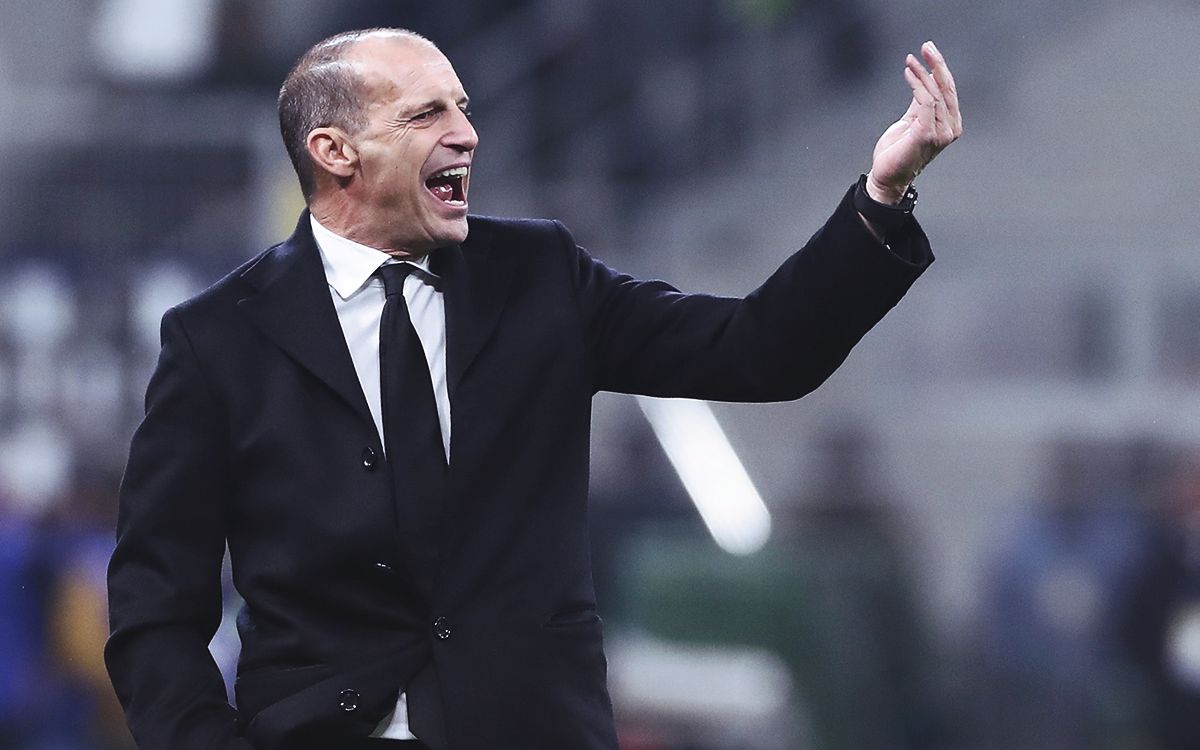
Allegri turned the game around with Nkunku’s penalty and Rabiot’s brace, and changed his tactical setup several times in Como. Yet he still received some criticism on Thursday night. What are your feelings?
“Are you kidding? We are still here criticising Max, a manager who has won six league titles between Milan and Juventus. Allegri is a great coach.”
What would you say to Allegri’s critics?
“Even Bearzot was labelled a defensive manager, but in reality, he was already very modern. Look at Tardelli’s goal in the World Cup final, Bergomi and Scirea in the opponent’s penalty area. The problem is that labels are hard to remove from the collective imagination.”
And Allegri?
“Max isn’t a defensive manager, he’s practical. Pragmatism is one of the fundamental qualities for a coach. Making the most of your players and their play is an added value. I repeat: you have to prioritise technique, not playing systems.
“Conte is another positive example. Antonio has played a certain way for years, achieving great results. At Napoli, over the last two seasons, he’s made numerous changes to accommodate the players without, however, distorting his principles and winning mentality.”
What is the prototype of your ideal coach?
“It doesn’t exist. That’s precisely the problem: wanting to follow trends. To be credible, every coach must be himself. Knowledge and charisma make the difference, not whether you’re one way or another. Trends do harm.”


 English (US) ·