
 1 month ago
63
1 month ago
63

It has been interesting to witness the reaction of the media and some supporters at Chelsea over the past few weeks to the appointment of Liam Rosenior.
Being outside the game for a few years now, I have noticed a real trend of doubt and even negativity about any British managerial appointments by a top-flight club in this country.
With Liam, who I have known since he was a young player watching my training sessions at Bristol City more than 25 years ago, everything from his experience to his dress sense has been questioned, but his start to life at Chelsea has been exceptional with five wins in seven games.
His only defeats have come in both legs of their Carabao Cup semi-final against Arsenal.
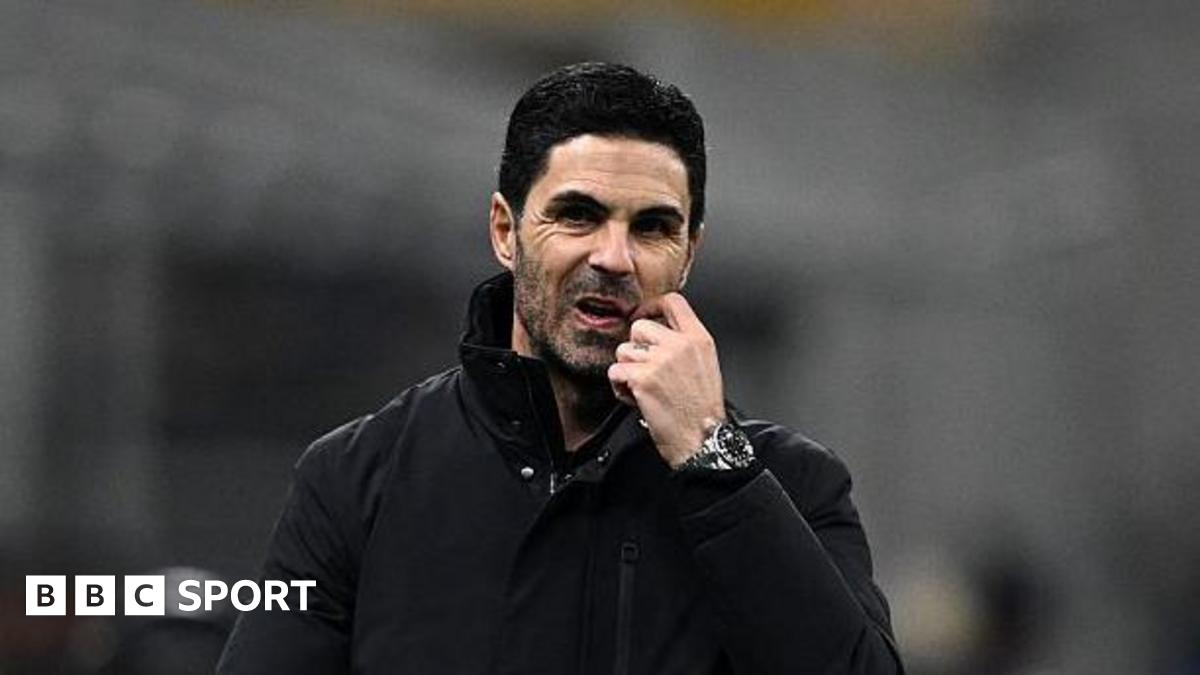
Yes, that exit was a blow but let's remember Gunners boss Mikel Arteta has been in the job for more than six years and has produced, with some enormous financial backing and tremendous loyalty towards him by the club, a team that's one of - if not the best - in England and Europe.
That huge difference in their circumstances has not stopped Liam being criticised by some for his approach in those ties but he has spent almost a decade working his socks off to gain the experience that warrants this opportunity - and his experiences lower down the leagues and in Europe will have taught him the harshness of management and the reaction you get to every defeat.
'It's a key moment that celebrates a young, black English manager'
His path is one I think more young British managers may need to pursue, in order to get a chance like he has.
As a former manager who worked at every professional level in England, you get to realise in the lower leagues what pressure you put yourself under, whether you are winning or losing.
Along with being able to ignore outside noise from the media outlets, one of my biggest assets was how I managed myself, on a day-to-day basis, and dealt with the stress of the job.
Liam will need to do that tenfold at one of England's elite clubs, where scrutiny is so profound.
Let's hope he gets the time and backing Arteta has received at Arsenal, because I believe it's vital to our national game that young British managers are given a chance by Premier League clubs, and if he succeeds then others can follow.
Young coaches have to relate to homegrown successes
Andrews praises 'sensational' 10-man Brentford
There are few other British bosses of any age in the Premier League at present - just six permanent bosses in total (far fewer than the number of 'home' managers in every other major league in Europe) - as well as Michael Carrick who is at Manchester United until the end of the season.
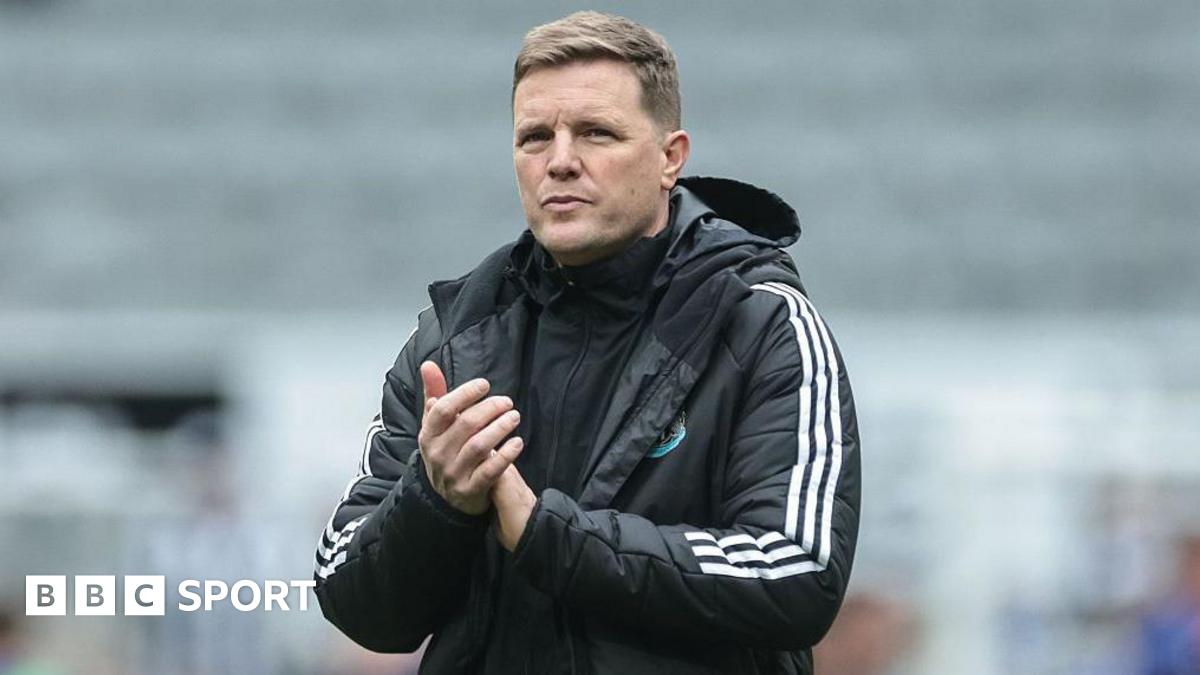
One of them, Eddie Howe, has proved at Newcastle without doubt that given, time and backing, British managers can be successful, and one day hopefully we will be applauding his appointment as the new England manager.
And not far from Stamford Bridge, another young homegrown manager is showing his worth. Ireland's Keith Andrews was again not universally welcomed into the job at Brentford last summer, but just take a look at what he has achieved this season so far.
It is absolute necessary to our national game that, with the enormous amount of money spent, courses run and facilities produced, the young British or Irish coaches of today can relate to homegrown managers being successful at the top level, to give them the mentors to strive to follow and hopefully better.
The challenges today for coaches and players to do that are far greater, given that the Premier League is a world league.
This was never the case when I was growing up and then making my way as a manager. In the 1980s and 90s, English clubs were managed by British managers, Bob Paisley, Brian Clough, Alex Ferguson, Bobby Robson, Howard Kendall, Howard Wilkinson and George Graham. There were also great coaches like Don Howe and Dave Sexton too.
And then there were the over-achievers like Bobby Gould at Wimbledon, John Sillett at Coventry and Lawrie McMenemy at Southampton, who all won the FA Cup with so-called smaller clubs.
At the same time, Martin O'Neill, Alan Curbishley and Peter Reid were breaking through, while John Toshack, Bobby Robson and Terry Venables were making new waves abroad. I apologise to the many other successful managers I haven't mentioned, but I only have so much room!
All these managers had different characters and approaches but what they have in common is that they were given the opportunity to prove their worth - something that is no longer the case for many British coaches and managers now.
Pundits on why has no English boss has won the Premier League
'Judge managers on merit, not perception'
At the end of the 1990's, Arsene Wenger, who was so prominent in opening the door to the influx of foreign managers in England, joined Arsenal.
Many other top managers have followed - Mauricio Pochettino, Jose Mourinho, Pep Guardiola, Antonio Conte, Rafa Benitez and Claudio Ranieri are among the very best.
That in itself was purely a positive for our game and for myself personally too - I always believed in competition and to pit my wits against the above was a fantastic experience.
They were all fortunate to manage top clubs in England and become very successful doing it, while alongside these top managers arrived an array of fantastic players from all over the world.
The Premier League had more competition with managers arriving from abroad and also players coming in from all quarters of the world. It was imperative that the British coaches and players stepped up to the challenge, but right now it does not feel as if that is being allowed to happen.
Along with the success of foreign coaches came a belief that coaches from abroad were the only direction that owners - many of them being from abroad too - should go for.
This belief has, without a doubt affected the opportunities given to younger British coaches over the past decade and before, even if not all the foreign coaches arriving here matched the quality or success of the above.
The likes of Frank de Boer, Jacques Santini, Juande Ramos and Andre Villas Boas all struggled to adapt to the rigours of the Premier League.
Many more foreign coaches have arrived and brought with them tremendous success, but I do believe that our own young coaches given the opportunity could as Liam, Keith and Eddie have shown, be as successful given the chance - we should always judge managers on merit and not perception.
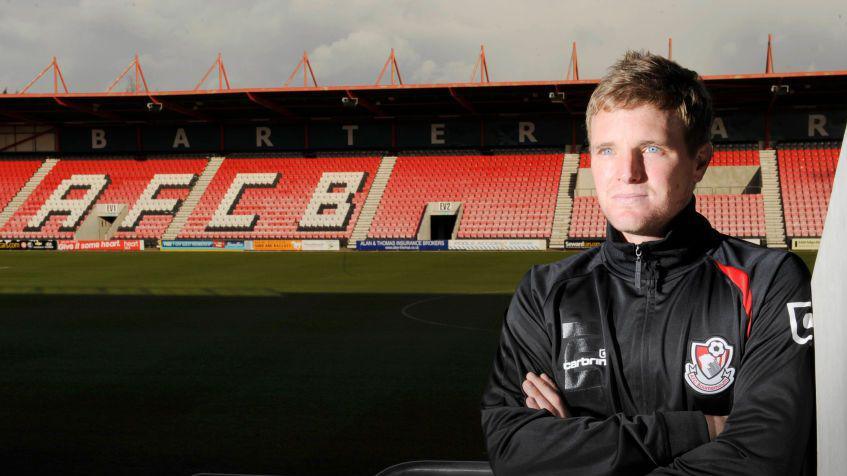 Image source, Getty Images
Like Pulis, Eddie Howe started his managerial career at Bournemouth - he became the youngest manager in the Football League when he took charge of the Cherriers, who were then in League Two, in 2009 at the age of 31
As I've mentioned in this column before, I always knew I wanted to stay in the game as a coach and manager after my playing days were over.
I passed all my main coaching qualifications by the time I was 21, which allowed me to attend the managers and coaches' week at Lilleshall at the end of every season.
It was run by the Football Association, with regional coaches organising the programme for the week.
Not only was I exposed to our elite coaches, but got to sit down and listen to the likes of Venables, Graham and Malcolm Allison talking over breakfast or dinner about the sessions being put on outdoors on the pitches.
For me, it was awe inspiring. These fantastic football people were devoted to the game we all love and I believed British coaches were at the top of the football world. They were fantastic mentors in so many ways.
My journey to eventually reaching the status of a Premier League manager started in the lower leagues, and I was fortunate to have been promoted out of every league.
My experience, my strengths and also my faults were all gained or worked on every week, in those surroundings.
Today, academy football seems to be the new breeding ground for our young and up and coming coaches. Academy football is a great starting process on the ladder upwards, but I do believe these young coaches must experience the winning factor, outside of youth development and in lower league football.
To learn the difference, is imperative to their future success. Some outstanding managers played and coached in non-league and lower league surroundings and gained experience that was useful in more glamorous surroundings.
'When it is you in the hot seat, it is very different'
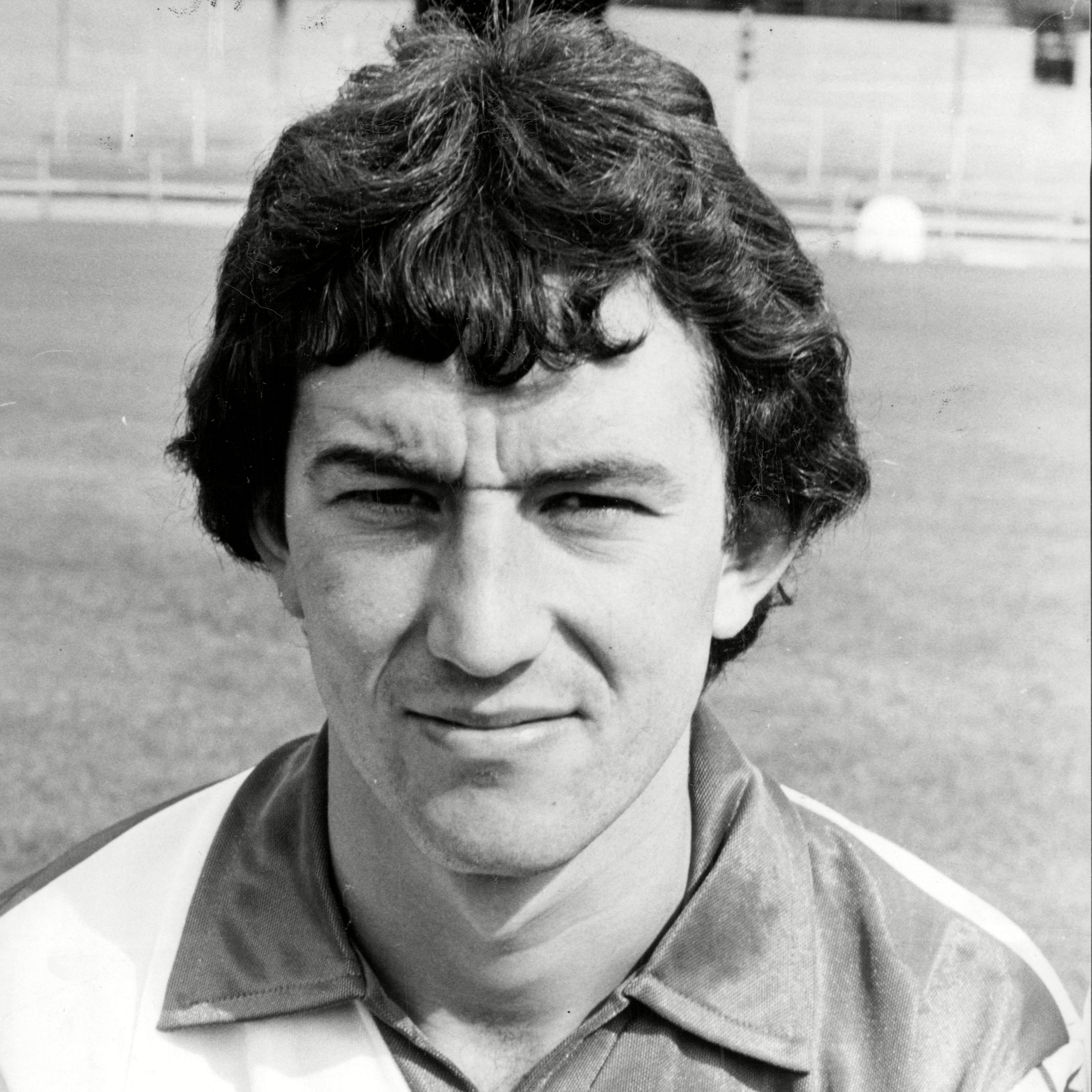 Image source, Rex Features
Pulis was a player with Bristol Rovers when he qualified as a FA coach at the age of 19, and he followed that by getting his Uefa 'A' licence aged 21
Jim Smith, Ron Atkinson, Dave Bassett and David Pleat, to name just a few, all earned their stripes lower down the leagues, before becoming top managers in England. It was the same more recently with Sam Allardyce, Harry Redknapp and Alan Pardew too.
Some academy coaches have survived early baptisms when given their chances, but I believe the overall experiences lower down the pyramid cannot be matched.
Managing in the academy is like shadow boxing, you don't get your supporters baying at you if you lose, you don't experience people above you questioning your selection or tactics, or players knocking your door about not playing or wanting to leave.
I will always advise young players to get out and play in men's football if they can, because then you experience playing for a manager whose job is on the line if you don't play well, as well as paying crowds, criticism from the stands, the media and senior players.
Academy football can and does get bogged down with theory, when what these young coaches need is more practicality to understand real management situations.
Coaching to develop is important, but when you are in the hot seat, no matter what level you are managing at, coaching to win is so much different.
I really do hope that more British managers get opportunities to find that out in the Premier League and that gaining promotion out of the Championship will not be the only realistic route to achieving that dream.
Tony Pulis was speaking to BBC Sport's Chris Bevan.



 English (US) ·